

Everything works in crypto until you try to cash out or move large amounts. Inside the system, transfers are instant. Outside, you’re back to delays, unclear timing, and zero control over execution.
That breaks the moment funds leave crypto. You go from instant transfers to waiting, guessing, and hoping everything lands where it should. Bank rails slow things down, routing gets messy, and control disappears.
That gap is the real problem. Keeta is built right there, making the flow work the way it’s supposed to.
Key Takeaways
- Crypto works reliably within its own environment, but breaks at system boundaries.
- The main issue is not speed, but lack of integration between financial systems.
- Keeta introduces a shared layer where assets can move across systems.
- Anchors connect banks, payment rails, and blockchain networks.
- ChangeNOW removes friction at the point of execution.
What Keeta Is Solving
Most chains assume assets just move without friction. That works until real-world money enters the picture.
One part of how Keeta works shows up in how it connects to real-world systems:
This isn’t just another chain. It’s positioned as a layer where financial systems and programmable agents operate together.
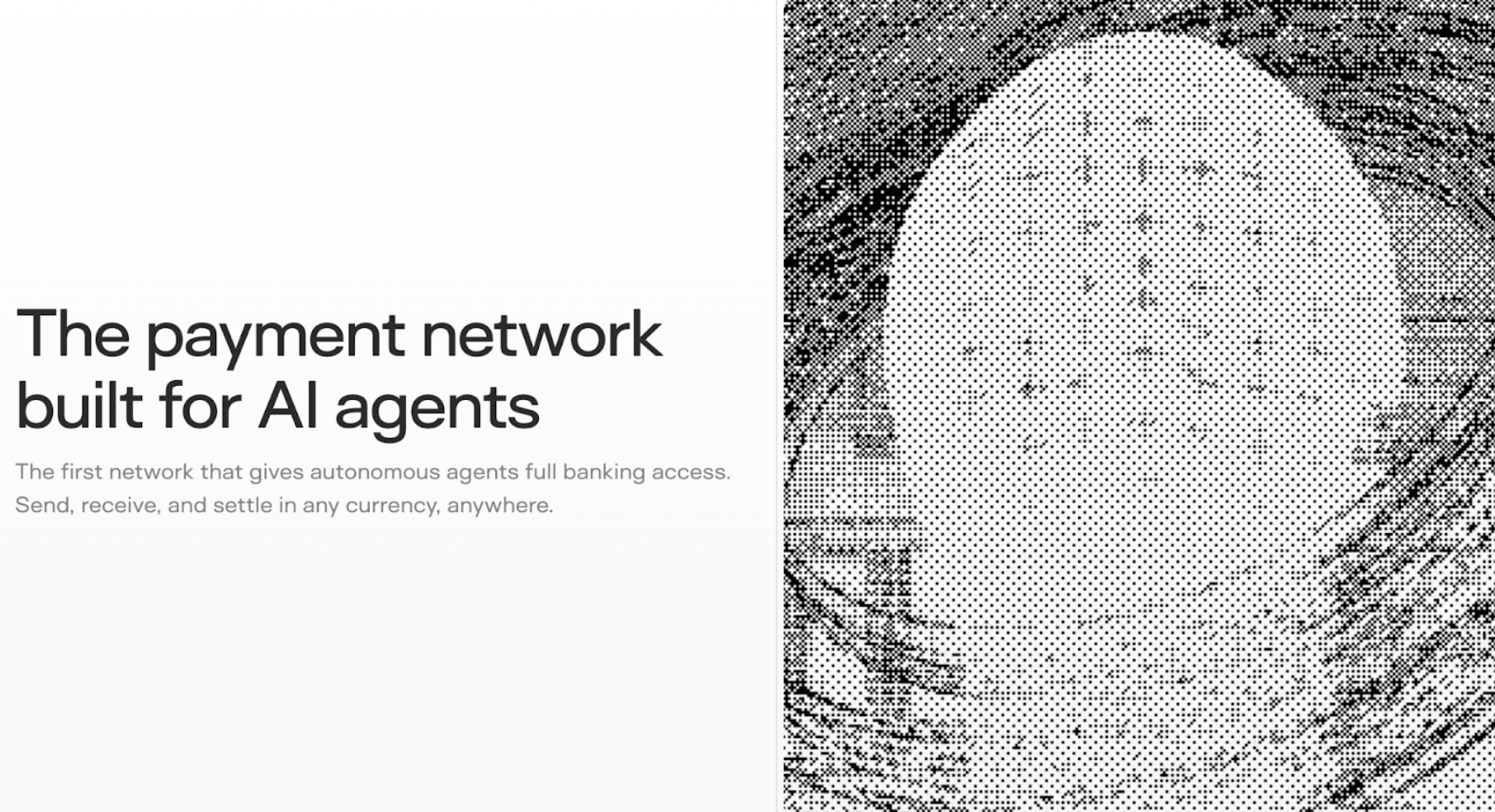
Keeta combines payment infrastructure and programmable agents into one environment instead of splitting them across systems.
If you want a deeper breakdown of how the network works, token mechanics, and where Keeta fits in practice, see this Keeta coin overview.
The moment you deal with banks, cross-border transfers, or anything tied to regulation, the flow slows down and gets messy. More intermediaries, more costs, less clarity on timing and execution. You’re no longer operating inside one system, you’re jumping between several that don’t connect cleanly.
The Keeta team doesn’t see this as a scaling issue, they see it as a structural mismatch:
“Moving money between banks and countries is still slow, expensive, and reliant on multiple intermediaries. At the same time, most blockchain systems were never designed to integrate with regulated financial institutions or real-world assets.
Keeta was built to create a unified network where fiat, digital assets, and financial services operate on the same infrastructure.” – Keeta Core Team
Keeta builds around that gap, not by simplifying one side, but by creating a layer where both can operate without breaking the flow.
Keeta builds around existing financial systems instead of working around them, keeping the flow intact when assets move across layers.
That’s where it starts to show in practice. Banks, fintech systems, and blockchain don’t sit in separate layers. They operate within the same environment.
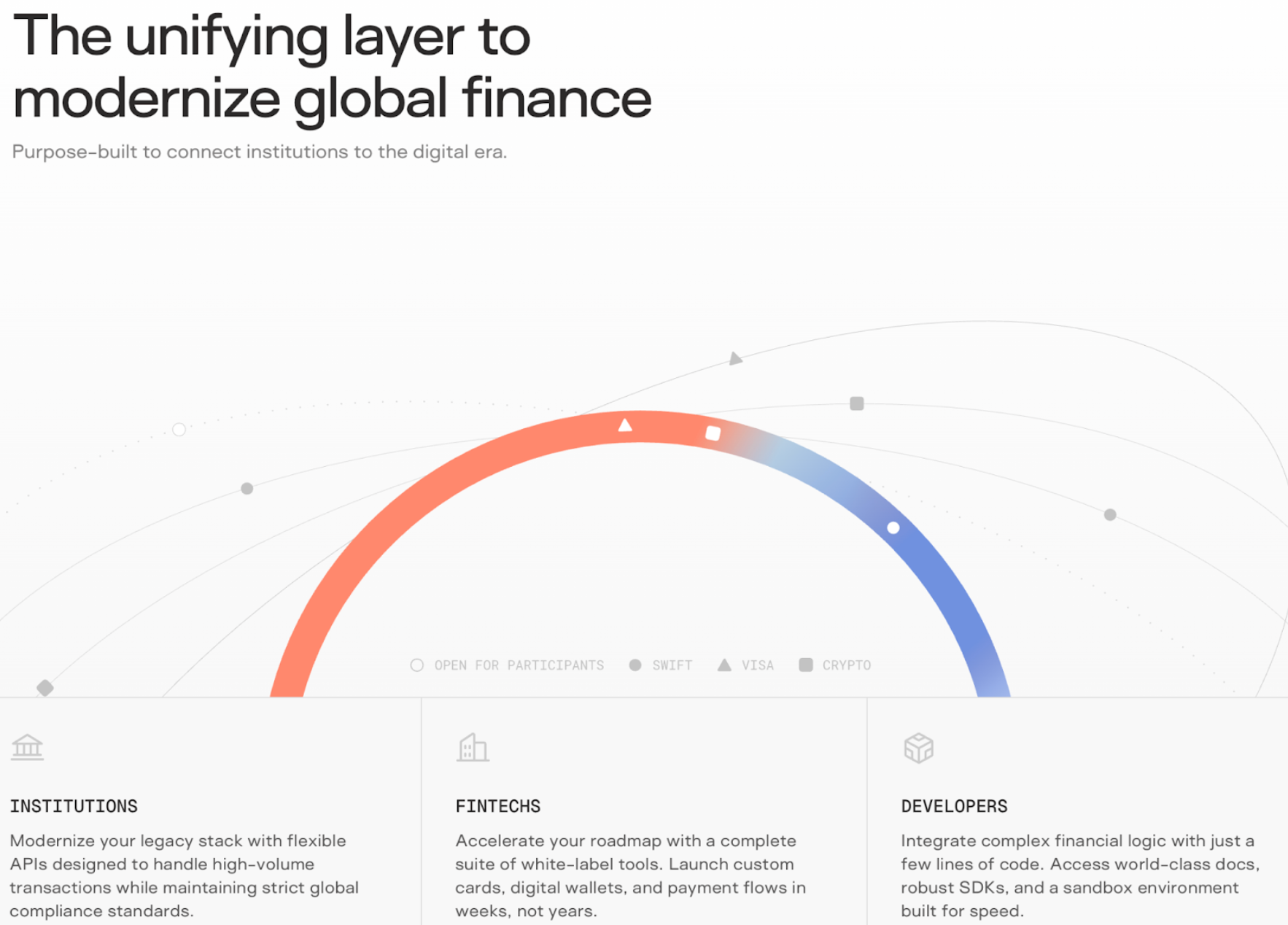
One layer instead of three systems stitched together mid-transaction.
Instead of stitching multiple systems together mid-transfer, everything runs inside one layer. That’s where the difference stops sounding theoretical and starts showing up in execution.
How Keeta Changes The Flow
You only see the difference once the network is under real load.
Most chains start to slow down when activity builds up because transactions compete for the same path. Keeta avoids that pattern by design. Instead of lining transactions up, it runs them in parallel, so load doesn’t turn into congestion the same way.
“Transactions process in parallel, allowing the network to scale with demand.” – Keeta Core Team
You feel the difference when rules are part of the transfer itself, not something handled around it.
In most systems, compliance sits outside the transaction. Platforms check it, intermediaries enforce it, and every step adds time and extra friction.
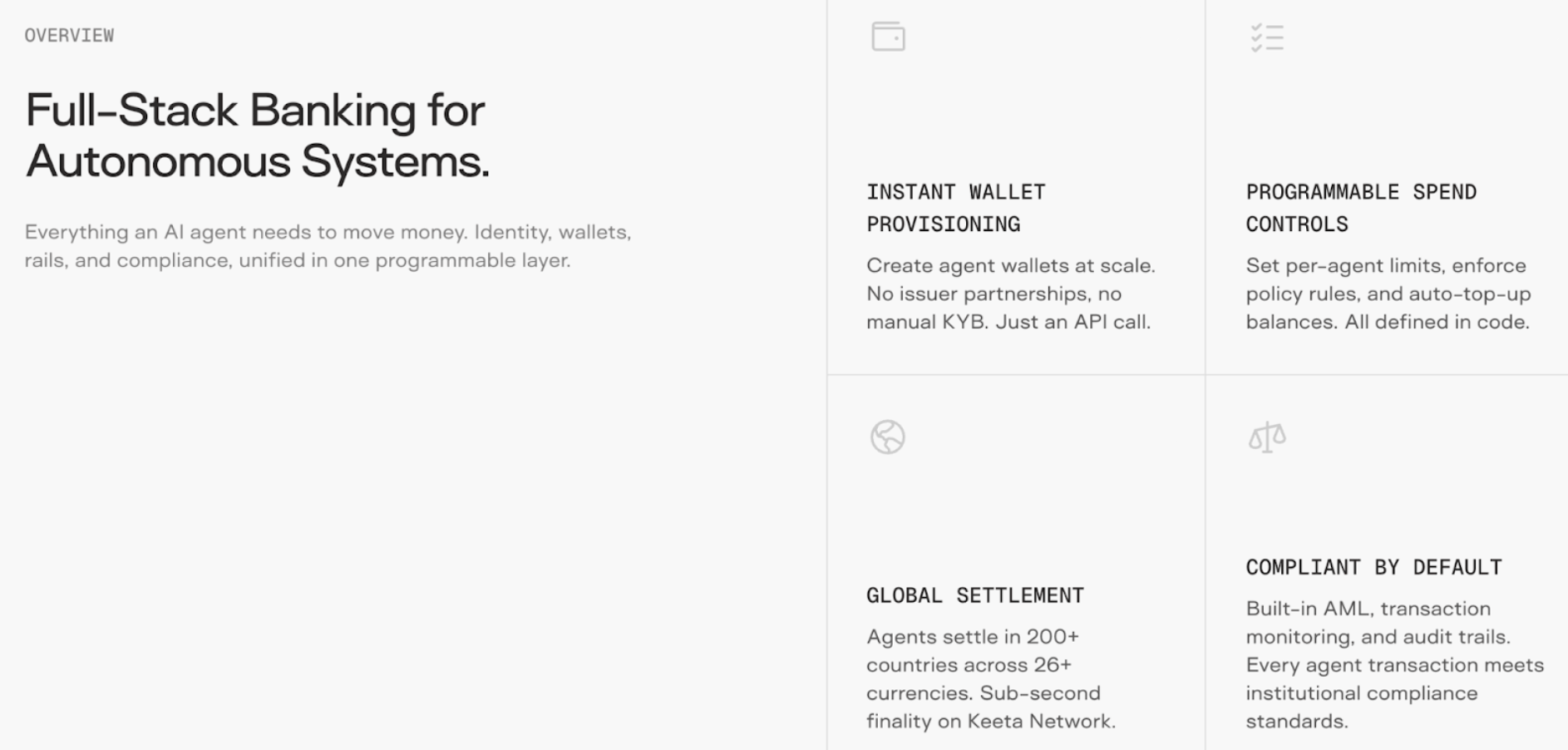
Compliance, wallets, and settlement are built into the same layer, so transfers don’t rely on external checks.
Who can receive it, where it can move, what conditions apply, all defined upfront instead of being layered on later.
“Rules exist at the asset level. That is what allows regulated finance to operate on-chain.” – Keeta Core Team
That’s what makes the flow hold together. Assets move without breaking the rules they depend on, so you don’t end up stitching together multiple systems just to complete a single action.
How Anchors Connect Systems
Moving funds across systems today is a chain you have to manage yourself.
You send from a wallet, route through another network, wait for it to land, then move again. If timing matters, you’re watching every step. If something delays, you’re stuck adjusting on the fly.
Anchors remove the need to manage that chain step by step.
As Keeta Team put it:
“Anchors allow external systems to communicate directly with the network.”
Instead of splitting the flow across banks, wallets, and networks, everything connects inside one layer. You’re not deciding where to send first or where funds sit between steps.
“Any asset can move through the network and return to its origin when needed.” – Keeta Core Team
That’s where it clicks. You’re no longer managing the path. The system holds it together for you.
Where ChangeNOW Fits
You line everything up, then lose time on the transfer.
Funds go out, you wait, you check if they landed, then move again. If timing matters, you’re already late before you even get there.
That’s the gap → ChangeNOW closes it instantly.
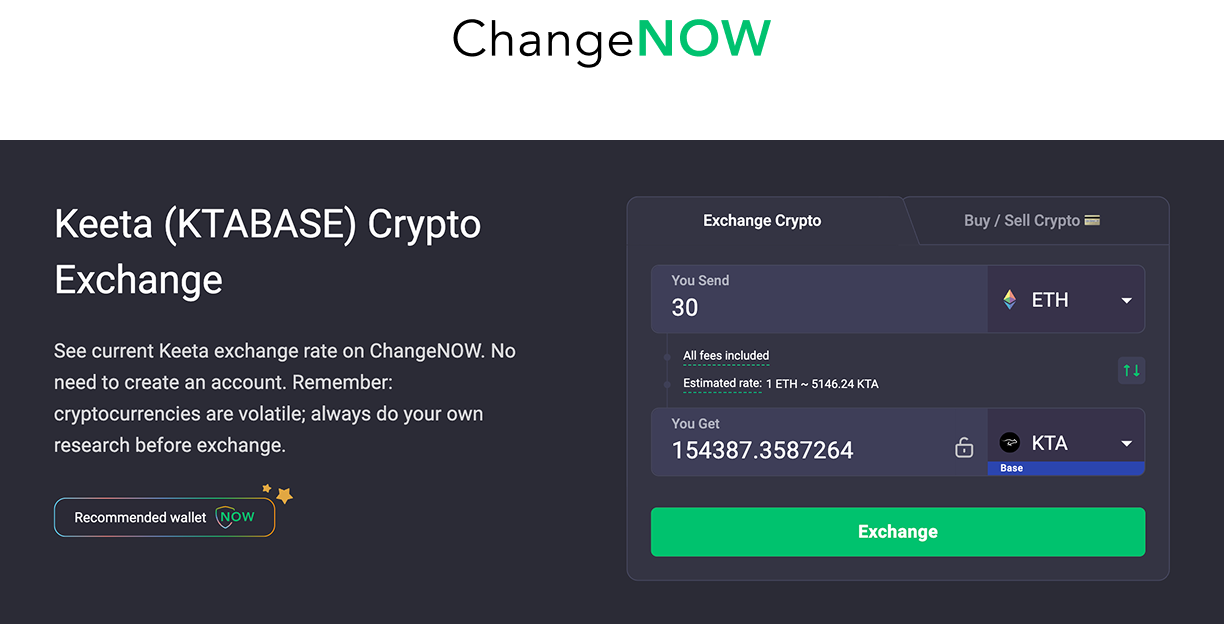
You don’t route funds or hold them between platforms. You go straight from what you have into KTA and keep moving. If you’re settling a payment, you don’t split it across tools either.
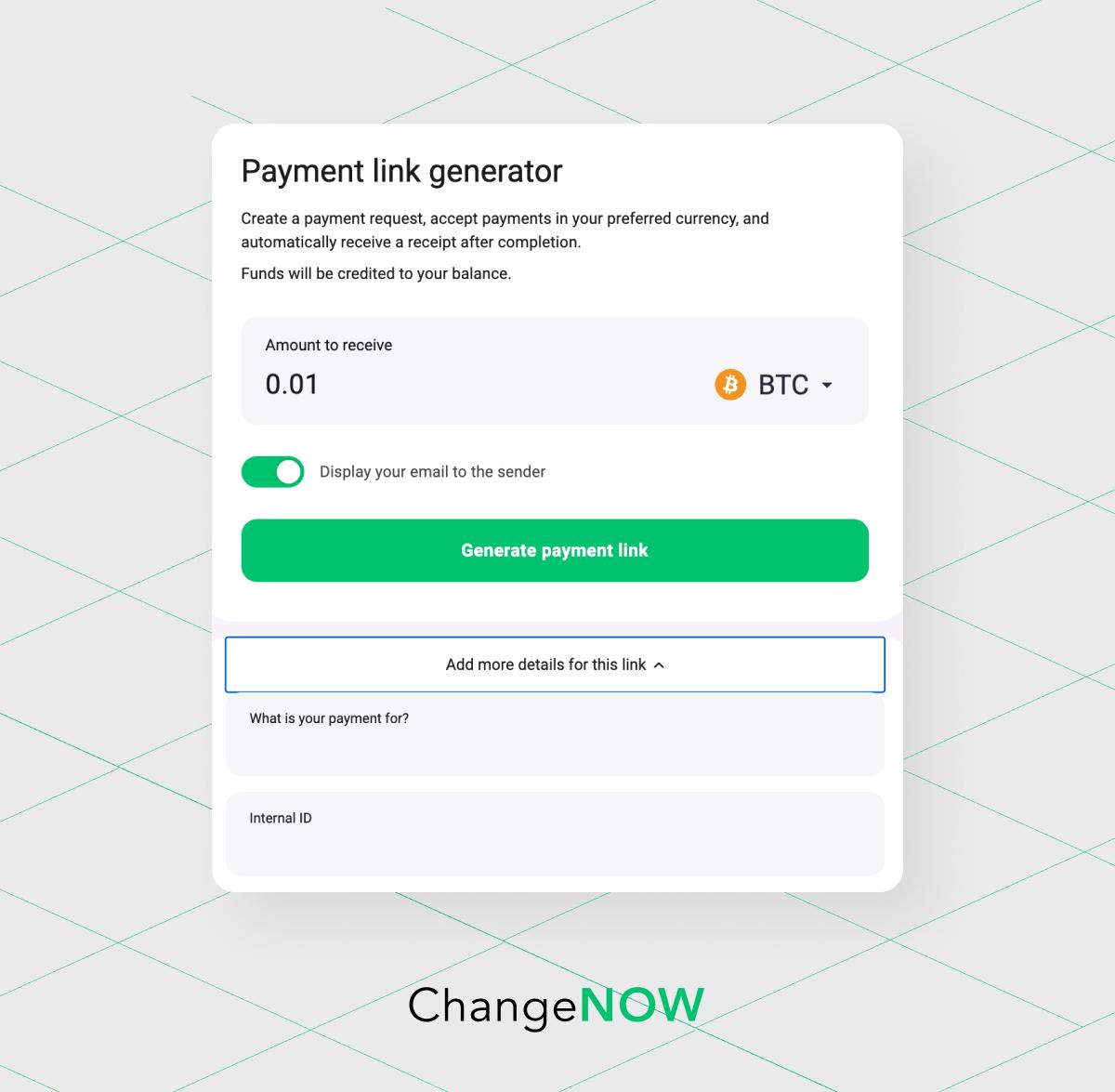
Inside ChangeNOW Pro, you generate a payment link, send it, and the transaction is done. No routing, no extra steps.
From Fragmented Steps To Continuous Flow
Today, moving value means handling the path yourself. You send from one system, wait for confirmation, check where it landed, then decide the next move. If timing matters, you’re watching every step and adjusting on the fly.
When Keeta and ChangeNOW work in the same path, that overhead drops out.
You’re not managing hops between systems or holding funds in transit. The transfer and the next action happen within the same environment, so the process doesn’t break between steps.
You stop managing the transfer itself and focus on the action behind it.
Fewer checkpoints, fewer chances to get stuck mid-transfer, and no need to coordinate across tools just to complete one action.
What Determines The Outcome
This only works if it gets used in real conditions.
It comes down to whether banks plug in, whether anchors expand beyond test setups, and whether assets actually move through the network at scale. Without that, the model doesn’t get stress-tested where it matters.
There’s no narrative edge here. Either it handles real volume across real systems, or it stays a controlled demo.
Conclusion
Everything looks smooth until money has to cross the line between crypto and the real world. That’s where speed disappears and control slips. Keeta removes that line.
What used to be separate steps turns into one continuous path. You don’t think about where funds go next or what might break in between.
ChangeNOW is what makes that usable in the moment. No setup, no routing, no pauses. You move, and the process doesn’t get in your way.
Once that’s in place, the whole experience changes. Not because things are faster on paper, but because nothing interrupts you while you act.


