

What Can You Buy With Bitcoin: Products and Services Available in 2026
Bitcoin has come a long way. In 2010, 10,000 BTC bought two pizzas. Today, that same amount would be enough to buy a fleet of supercars — or fund an entire lifestyle.
These days, you can use BTC for way more than just bragging rights or HODLing until the next bull run. From flights to luxury watches, the list of things you can actually spend Bitcoin on has grown into something pretty impressive.
Here's everything you need to know about spending your sats in 2026.
What Is Bitcoin Used For?
Bitcoin started as a peer-to-peer payment system – a way to send money to anyone, anywhere, without a bank in the middle. That core use case hasn't changed. What has changed is how many places actually accept it.
Today, Bitcoin is used for:
- Everyday purchases – coffee, groceries, software subscriptions
- Big-ticket items – cars, real estate, travel packages
- Online shopping – electronics, clothing, digital goods
- Sending money internationally – faster and often cheaper than wire transfers
- Investing and saving – many people still treat it as a long-term store of value
Bitcoin is a bit like cash. You can save it, spend it, or send it. The difference is there's no central authority controlling it and no borders slowing it down.
What Can You Buy with Bitcoin?
Travel
This is one of the strongest categories. Several major travel platforms now accept Bitcoin directly, or through crypto payment processors. You can book:
Travala is the biggest name in crypto travel. It lists over 2.2 million hotels worldwide and supports Bitcoin natively, as well as hundreds other crypto. You can book everything from budget hostels to five-star resorts and pay in BTC. They also offer flights, activities, and car rentals through the same platform.
CheapAir has accepted Bitcoin since 2013, making it one of the original crypto-friendly travel services. It covers flights, hotels, and car rentals, and is particularly popular with US travelers.
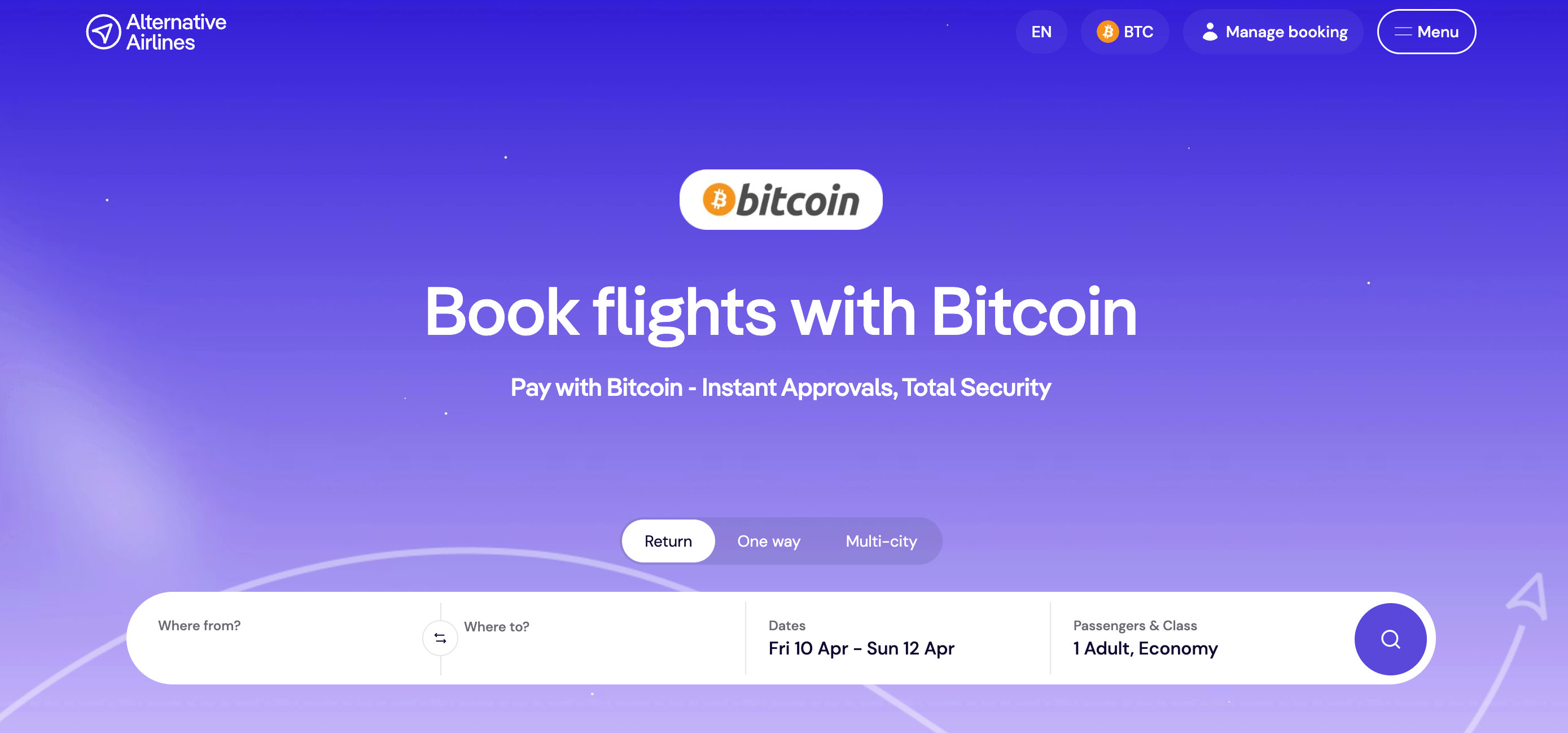
Alternative Airlines lets you book flights on hundreds of carriers using Bitcoin – including routes that aren't always easy to book directly with crypto.
Beyond platforms, a growing number of hotels accept Bitcoin directly, particularly in crypto-friendly destinations like El Salvador, Dubai, and parts of Europe. Some luxury resorts have started advertising BTC acceptance as a feature, not a footnote.
Spending BTC on travel also has a practical tax angle in some jurisdictions: if you bought BTC at a low cost basis, using it for travel is a real-world expense rather than a simple cash-out – though tax treatment varies, so worth checking with an accountant..
Electronics and Tech
The tech world has been crypto-friendly from early on, which makes sense – the people building and buying electronics overlapped heavily with the people interested in Bitcoin.
Newegg is the go-to. One of the largest electronics retailers in the US and Canada, they accept Bitcoin since 2014. Laptops, GPUs, monitors, peripherals, networking equipment – it's all there to be acquired through your digital coins.
Microsoft accepts Bitcoin for account credit on the Microsoft Store, which you can then use for Xbox games, apps, movies, and subscriptions like Microsoft 365. It's not seamless, but it works. Reddit users still remember buying Xbox One X in 2017 with BTC:
AT&Tallows customers to pay their phone bills with Bitcoin through BitPay, making it one of the few major US telecoms to support crypto payments.
Beyond the big names, a huge number of smaller online tech retailers have integrated BitPay, Coinbase Commerce, NOW Payments, or direct wallet support. If you're shopping for anything niche: server hardware, smart home gear, vintage tech – it's worth checking if the seller takes BTC before defaulting to a credit card.
Luxury Goods
This is where Bitcoin's story gets genuinely interesting. A wave of crypto-wealthy buyers has pushed luxury brands and retailers to adapt faster than anyone expected.
Watches are probably the most active luxury category.
Dealers in Switzerland, the US, and the UAE have been accepting BTC for high-end timepieces: Rolex, Patek Philippe, Audemars Piguet for several years.
Some dealers prefer it: BTC transactions settle definitively, with no chargebacks.
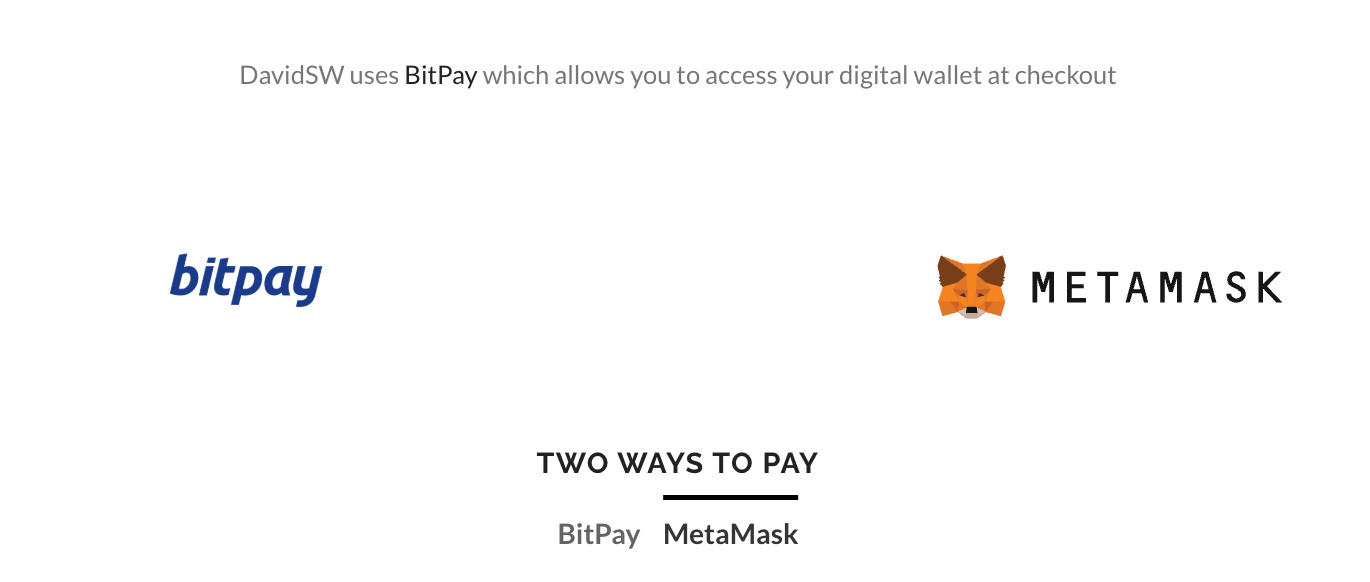
DavidSW, for example, provides two ways to buy watches – through BitPay or directly with MetaMask:
Cars have been a headline use case. BitCars is a marketplace specifically for buying and selling cars with crypto.
Various independent dealers, particularly in the US and UAE, accept BTC for Lamborghinis, Ferraris, McLarens, and Teslas. Some have moved significant volume this way.
Fine art has seen major crypto integration, partly driven by the NFT boom normalizing digital ownership and crypto payments in art circles. Traditional auction houses including Christie's and Sotheby's have completed BTC-denominated sales. Crypto-native art platforms have made it even more accessible.
Jewelry retailers, especially independent and bespoke jewelers, like W Hamond, have been relatively quick to adapt. If you're buying something expensive and personal, calling ahead to ask if they accept BTC is often worth it.
The luxury market caught on partly because crypto-wealthy buyers want to spend crypto, and sellers want their business badly enough to accommodate it.
Real Estate
Buying property with Bitcoin has moved from novelty to established practice in several markets. It's not simple though, there's legal and tax complexity involved, but it's genuinely happening at scale.
How it works: Most Bitcoin real estate transactions involve one of two approaches.
Either the BTC is converted to fiat at closing (handled by a crypto-friendly escrow or title company), or the transaction is structured as a direct BTC transfer with the price fixed at a specific moment. The latter requires more legal scaffolding but keeps the transaction fully in crypto.
Propy is the most prominent platform dedicated to crypto real estate. They handle transactions in the US, UAE, Spain, and several other markets, and have completed thousands of BTC-denominated property sales.
Where it's most active:
El Salvador. Bitcoin is legal tender, so BTC property transactions are straightforward and increasingly common.
UAE (Dubai). The government has actively courted crypto-wealthy buyers; several major developers now accept BTC for off-plan properties.
US. State-by-state variation in how these deals are structured, but BTC real estate transactions happen in most states.
Portugal and Spain. Popular with European crypto holders seeking better weather and favorable tax treatment.
If you're sitting on significant BTC gains and thinking about property, it's worth talking to a lawyer who specializes in crypto real estate. The mechanics are solvable; the tax situation needs professional input.
Food and Groceries
Spending BTC on food is more accessible than most people realize – though it does require a bit of setup.
In-person grocery and retail: The Flexa network (accessed through the Spedn app or integrated into some retailer apps) lets you pay with Bitcoin at major US chains including Whole Foods, Nordstrom, GameStop, and others.
You load your crypto into the app, and it generates a one-time barcode at checkout. Simple.
Restaurants: A growing number of restaurants accept Bitcoin.
In cities like Miami, Austin, and New York, crypto-friendly dining is a real thing. Apps like Yelp and Google Maps sometimes tag crypto-accepting restaurants, or you can search directories like CoinMap.
Coffee: Bitcoin Beach (El Salvador) turned café Bitcoin payments into a daily habit for locals. Outside El Salvador, some independent coffee shops, particularly in crypto-friendly cities, have installed Lightning Network point-of-sale systems.
Online food and grocery delivery: Some platforms and regional delivery services accept crypto. The gift card route (see below) also covers DoorDash, Uber Eats, and grocery delivery services through Bitrefill.
Gift Cards (The Hidden Hack)
This deserves more attention than it usually gets. If a store doesn't accept Bitcoin directly, gift cards are how you bridge the gap.
Bitrefill is the king of this space. They sell gift cards for hundreds of retailers like Amazon, Walmart, Target, Best Buy, Airbnb, Uber, Netflix, Spotify, and many more – all purchasable with Bitcoin. Delivery is instant (digital codes). The selection is genuinely impressive.
The practical upside here is: You're no longer limited to "does this specific retailer accept Bitcoin?" You can buy almost anything from almost anywhere, using BTC to fund the gift card, and then the gift card to pay. It adds one step but dramatically expands your spending universe.
One thing to note: Gift cards typically don't allow change, so buy as close to what you need as possible. Some platforms let you buy cards in custom amounts down to the dollar.
Software, Subscriptions, and Digital Services
The digital economy is crypto-friendly by nature: no physical cash registers to upgrade, and the customer base skews tech-savvy.
VPNs: NordVPN, ExpressVPN, Mullvad, ProtonVPN, and Private Internet Access all accept Bitcoin. Mullvad in particular has built privacy-first payments (including BTC) into their core offering – you don't even need an email address to sign up.
Domain names and web hosting: Namecheap accepts Bitcoin for domains, hosting, and SSL certificates. Several other web hosts have followed suit.
Cloud services: Some cloud providers and developer platforms accept crypto, though the major ones (AWS, Google Cloud, Azure) haven't moved there yet. Smaller providers like Vultr and some specialized hosting services do.
Gaming: You can't buy directly from Steam with BTC, but third-party key resellers like G2A and Kinguin accept crypto. Some gaming platforms have BTC payment options natively.
Streaming and subscriptions: Not directly – Netflix, Spotify, and YouTube Premium don't accept BTC. But you can buy their gift cards or prepaid codes via Bitrefill, which amounts to the same thing.
Privacy tools and security software: This category is particularly aligned with the Bitcoin ethos. Password managers, encrypted email services, and privacy-focused tools often accept BTC as a payment option.
Charitable Donations
Bitcoin donations have become a meaningful part of the philanthropic world, and several features make them particularly attractive for donors.
The tax angle: In many jurisdictions (including the US), donating appreciated Bitcoin directly to a charity can be more tax-efficient than selling it and donating cash. You avoid capital gains tax on the appreciation and may still get a deduction for the full fair market value. Worth talking to a tax advisor about.
Major organizations that accept BTC: The Red Cross, UNICEF, Save the Children, Wikipedia (via the Wikimedia Foundation), and the Electronic Frontier Foundation all have Bitcoin donation options. The list has grown substantially over the past few years.
The Giving Block is a platform that connects crypto donors with hundreds of vetted nonprofits. They handle the conversion to fiat for organizations that need it, so the charity gets dollars while you donate in BTC.
Bitcoin has shown up in crisis response in interesting ways. During emergencies in regions with collapsed banking systems, BTC donations have sometimes reached aid workers faster than traditional wire transfers.
More broadly, crypto and philanthropy have become increasingly intertwined. Many blockchain projects actively support charitable initiatives as part of their ecosystem.
This is especially visible in the memecoin space, where communities often rally around causes such as animal welfare. For example, BabyDoge been associated with multiple donation campaigns, particularly focused on helping animal shelters and rescue organizations.
How to Buy Things with Bitcoin
If you've never actually spent Bitcoin before, here's the quick version:
Step 1: Have Bitcoin in a wallet. You need BTC either on an exchange (like Coinbase or Kraken) or in a self-custody wallet (like Ledger or MetaMask with a Bitcoin integration).
Step 2: Find a merchant that accepts BTC. Look for the Bitcoin logo at checkout, or check if a retailer is listed on directories like Spendabit or CoinMap.
Step 3: Scan or copy the payment address. When you checkout, you'll get a QR code or wallet address. Open your wallet app, scan it, enter the amount, and confirm.
Step 4: Wait for confirmation. On-chain Bitcoin transactions take around 10–60 minutes to confirm depending on network fees. Lightning Network payments (used by many merchants now) are almost instant.
Where Can You Use Bitcoin?
Online – Best Selection
The internet is where crypto-friendly commerce lives. Online stores have fewer barriers to accepting Bitcoin (no POS hardware needed), so the selection is widest here. Good directories to explore:
- CoinMap.org – maps physical and online merchants
- Bitrefill – for gift card access to mainstream retailers
In-Person
Physical acceptance is still growing but genuinely exists. Countries and cities where you'll find the most Bitcoin-accepting merchants:
- El Salvador – Bitcoin is legal tender; widespread acceptance required by law
- Miami, Austin, New York – crypto-friendly US cities with active merchant networks
- Zürich, Amsterdam, Prague – European cities with notable crypto retail scenes
- UAE (Dubai especially) – rapid growth in crypto-accepting luxury and real estate
Look for the Lightning bolt symbol (⚡) at checkouts – it means they support Lightning Network payments.
ATMs
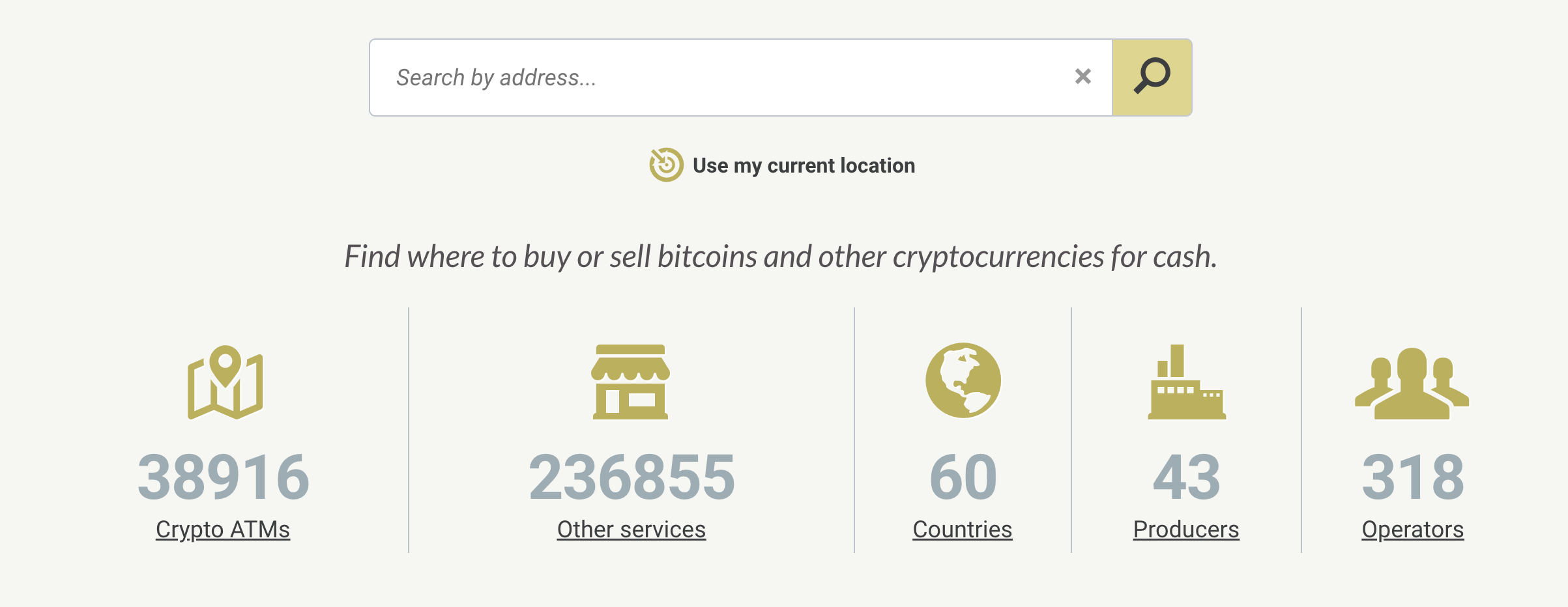
Bitcoin ATMs let you convert cash to BTC (and sometimes BTC to cash). There are over 30,000 globally as of 2026. Useful for buying, less useful for spending – but some let you send BTC directly from the machine. Check out BTC ATM Map to find the closest one!
Final Thoughts
Bitcoin in 2026 sits in a weird but interesting place. You can spend it on almost anything, from coffee to real estate, but that doesn’t mean you always should.
For everyday purchases, BTC still isn’t the most convenient option unless you’re using the Lightning Network or going through gift cards. Cards and stablecoins often win on speed and simplicity. But when it comes to cross-border payments, large purchases, or situations where you want full control over your money, Bitcoin starts to make a lot more sense.
FAQs
1. Is it legal to buy things with Bitcoin?
In most countries, yes. Bitcoin is legal to use for transactions in the US, EU, UK, Canada, Australia, Japan, and many others. A few countries, like Egypt for instance, restrict or ban it entirely – always worth checking local regulations if you're traveling.
2. Do I pay taxes when I spend Bitcoin?
In most jurisdictions (including the US), spending Bitcoin is a taxable event. You're selling an asset when you use it – so if BTC went up in value since you bought it, you'll owe capital gains tax on the difference. Keep records of your transactions. Check our list of crypto tax apps.
3. What's the cheapest way to spend Bitcoin?
Lightning Network transactions. Fees are fractions of a cent, and payments are instant. On-chain transactions cost more and take longer – fine for big purchases, less ideal for buying a coffee.
4. Can I buy BTC with PayPal?
Yes, you can buy Bitcoin using PayPal, but with a catch. In some regions, PayPal lets you buy and hold BTC directly in the app. However, in many cases (especially outside the US), you can’t freely withdraw it to your own wallet, which kind of defeats the whole “crypto freedom” idea. Make sure to check the terms and conditions before using crypto in PayPal.
5. Can you send BTC on Venmo?
Yes, Venmo allows you to send Bitcoin to other Venmo users, and in supported regions, even to external wallets. But again, availability depends on where you live, and the features can be limited.
6. What happens if I send Bitcoin to the wrong address?
There's no undo button. Bitcoin transactions are irreversible, which is why you should always double-check (or triple-check) the address before hitting send. Read our guide on why copy-paste isn’t safe and how to prevent your crypto from being stolen.
7. Is Bitcoin accepted at Amazon?
Not directly. Amazon hasn't integrated Bitcoin payments as of 2026. The workaround: buy Amazon gift cards with Bitcoin on Bitrefill. Not elegant, but it works.