

What Is a BTC ATM and How It Works
Cash in. Bitcoin out. A Bitcoin ATM is a fast way to convert cash into crypto. But what risks are hiding behind the convenience? Let’s find out!
A BTC ATM is a physical kiosk that lets you buy, and sometimes sell, Bitcoin using cash or a debit card.
It’s like a regular bank ATM, except instead of withdrawing dollars, you're sending Bitcoin directly to your crypto wallet.
You've probably spotted one at a gas station, convenience store, or pharmacy without realizing it.
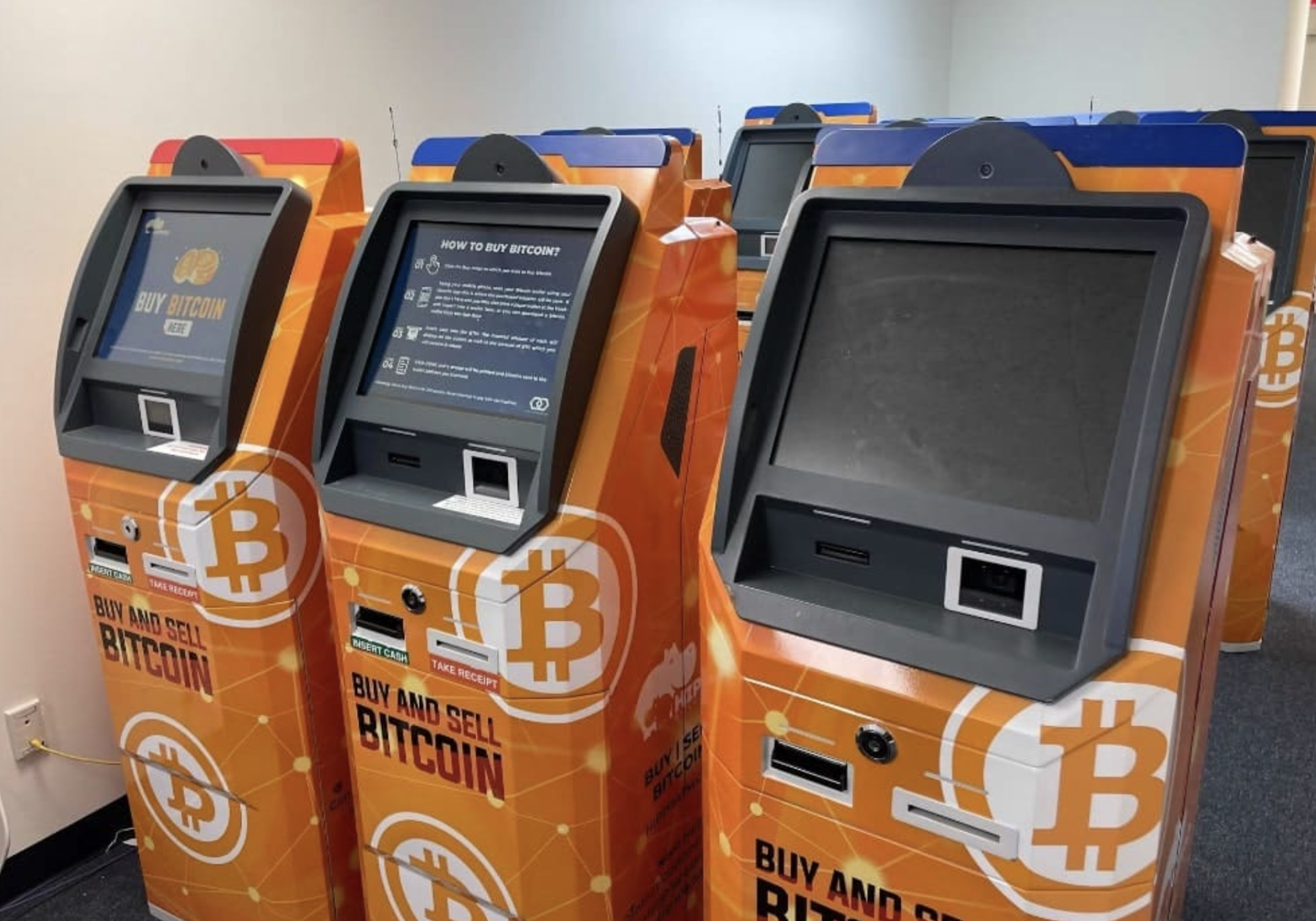
A crypto ATM is the broader term. Most crypto ATMs support Bitcoin, but many also offer Ethereum, Litecoin, and other coins.
The US has by far the largest BTC kiosk network in the world. According to Coin ATM Radar, nearly 85% of all crypto machines are located in the US:
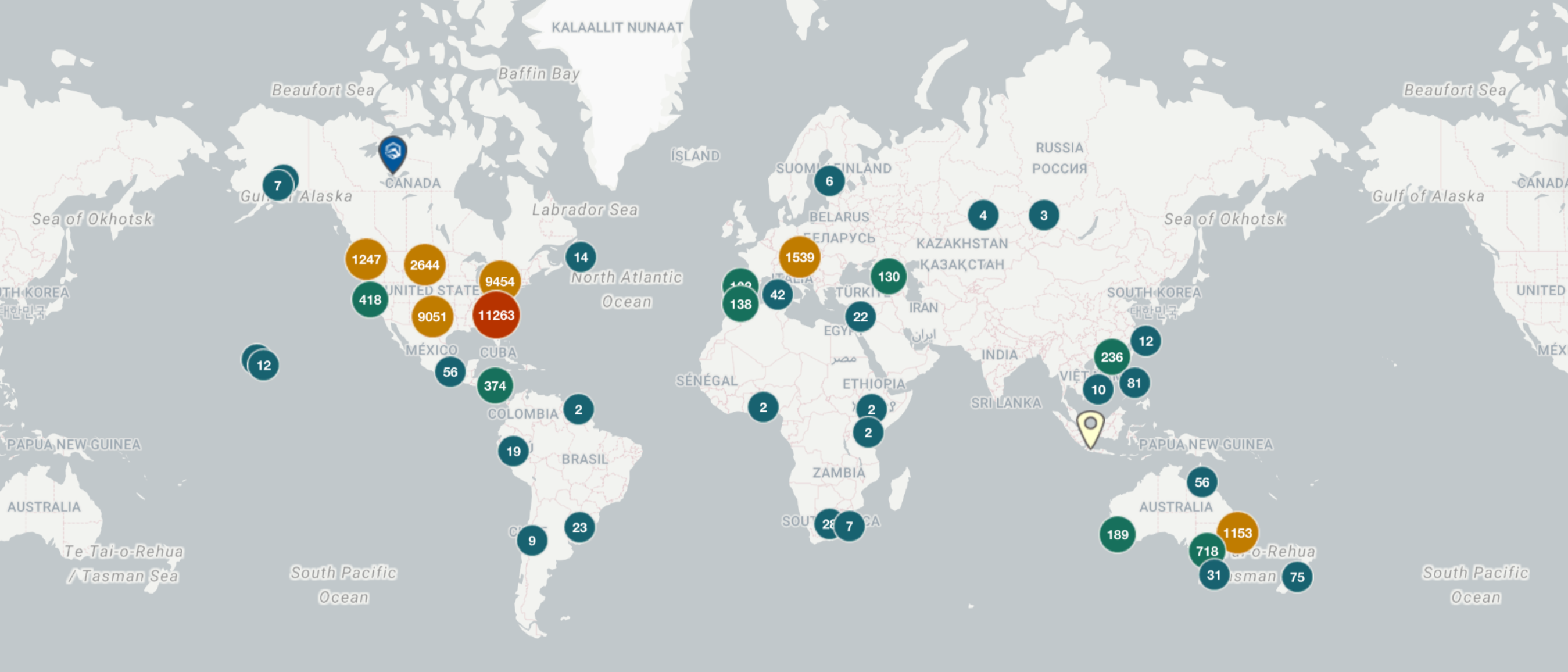
So if you’re in the USA and google “crypto ATM near me” – you're likely only a short drive away.
How Does a BTC ATM Work?
You insert cash, scan your Bitcoin wallet address, and the machine sends BTC to your wallet. That's it.
Under the hood, the BTC ATM machine connects to a crypto exchange or liquidity provider in real time.
When you buy, it fetches the live BTC price, adds its fee margin on top, converts your cash at that rate, and broadcasts a transaction to the Bitcoin network. Most machines complete the send within a few minutes, though Bitcoin network congestion can sometimes add a delay.
For selling Bitcoin, the flow is reversed. You send BTC from your wallet to the machine's address, and it dispenses cash from its vault. Not all machines support selling, so always check before you drive there.
How to Use a BTC ATM Step by Step
First time at a crypto terminal? Here's how it goes, whether you're buying or selling. The exact flow varies slightly between machines, but 95% of the time it looks like this:
Buying Bitcoin at a BTC ATM
Select "Buy Bitcoin" on the touchscreen and choose your amount. Most machines have a minimum of $20–$50.
Verify your identity (if required). For small amounts (usually under $900), you may be able to skip this step. Above certain thresholds, the machine will ask for a government-issued ID or even a selfie. This is a legal requirement (KYC/AML compliance), not the machine being nosy.
Enter your Bitcoin wallet address. Most machines let you scan a QR code from your phone's wallet app. This is where your BTC will land. Double-check it, because crypto transactions are irreversible.
Insert your cash. Feed in bills one at a time. The screen will show you the running total and your fee in real time.
Confirm and wait. Hit confirm, keep your receipt, and your BTC should arrive within a few minutes to an hour, depending on network conditions.
Selling Bitcoin at a BTC ATM
- Select "Sell Bitcoin" and enter the amount you want to sell.
- Verify your identity (phone number, ID – same as buying).
- **Send BTC **to the machine's address. The screen will show a QR code. Open your wallet app, scan it, and send the exact amount shown. Don't round up or down - send an exact amount.
- Wait for confirmation. The machine waits for the transaction to confirm on the Bitcoin network (usually 1 confirmation minimum). Once confirmed, the machine dispenses your cash.
BTC ATM Fees: What to Expect
Let's not sugarcoat it: BTC ATM fees are steep.
If you're used to trading on an exchange at 0.1–0.5%, the fee at a crypto ATM will feel like a gut punch. But people still use them. And understanding the fee structure helps you decide if it's worth it for your situation.
| Fee type | What it is | Typical range |
|---|---|---|
| Percentage fee | Built into the exchange rate offered (always worse than market rate) | 7–15% |
| Flat fee | Fixed charge per transaction, sometimes on top of the percentage | $2–$5 |
| Sell fee | Usually slightly lower than the buy fee | 5–10% |
| Network fee | Bitcoin's transaction fee, passed on to you | $1–$5 |
On a $200 purchase at 12%, you're handing over $24 that didn't become Bitcoin. On $500 at 15%, that's $75. It adds up fast.
CoinFlip BTC ATM and CoinHub ATM tend to undercut the industry average. CoinFlip is known to charge around 6.99%, noticeably less than the 10–15%+ you'll find on many convenience store machines. Always read the fee screen before you commit cash.
Looking to buy BTC with low fees? ChangeNOW offers a straightforward experience. No hidden fees, be sure.
How to Find a BTC ATM Near You
Four tools that actually work:
- CoinATMRadar – the most comprehensive BTC terminal locator on the internet. Filter by coin, buy/sell capability, fees, and hours. Essential.
- CoinFlip's website/app – useful if you specifically want a CoinFlip machine (lower fees, cleaner UX).
- CoinHub's locator – one of the largest US networks; their site has a dedicated map.
- Google Maps – searching "BTC ATM near me open now" often surfaces real-time results with hours, photos, and reviews.
One tip: lots of BTC kiosks live inside convenience stores that close at night. Filter by "open now" before making the trip, or look for machines in 24/7 spots like gas stations.
Major BTC ATM Networks
The crypto ATM market is dominated by a few major players. Knowing who runs which machine sets your expectations on fees, limits, and experience.
- CoinFlip – one of the most popular US networks. Known for lower fees and a clean interface. Strong presence in Florida, Illinois, and the Midwest.
- CoinHub – rapidly expanding. Clear fee disclosure, fast transactions. Good coverage in Texas, California, and the Southeast.
- Bitcoin Depot – one of the largest operators by sheer machine count. You'll find them in grocery chains and pharmacies nationwide.
- Localcoin – dominant in Canada, expanding into the US and Australia. Solid compliance and customer support.
- Byte Federal – US-focused, privacy-oriented. Some machines don't require a phone number for small purchases.
- Independent operators – thousands of smaller machines exist. Quality and fees vary wildly. Always check reviews before using one you don't recognize.
Pros and Cons of Crypto ATMs
BTC machines are genuinely useful for some people. For others, they're genuinely not worth it.
Here's the take:
Why people use crypto ATMs:
- No bank account required
- Cash to Bitcoin in minutes
- Many locations run 24/7
- Simple enough for non-tech users
- No waiting for exchange account verification
- A lifeline for the unbanked and for remittances
Why people avoid crypto ATMs:
- Fees of 7–20% are brutal compared to exchanges
- Not all machines support selling
- Transaction limits can be frustratingly low
- A magnet for scammers (see below)
- Machine reliability is inconsistent
- KYC requirements are getting stricter
Crypto ATM Scams to Know Before You Use One
Crypto ATM scams are one of the fastest-growing fraud types in the US.
And they almost always follow the same script.
The most common patterns:
- A "government agency" (IRS, Social Security, police) calls saying you owe money and must pay via Bitcoin kiosk immediately to avoid arrest. Real agencies never do this. Ever.
- A "utility company" threatens to cut your service unless you pay a past-due balance at a crypto ATM within the hour.
- A romance scam: someone you've met online asks you to deposit funds at a BTC machine to "invest together" or help with an "emergency."
- A fake customer support rep tells you to use a crypto ATM to "secure your account" or process a refund.
- A scammer places a fake QR code sticker over the machine's real one – your BTC goes to them instead of the operator. Always inspect the QR code area before scanning.
The reason scammers target crypto ATMs is the same reason legitimate users like them: transactions are irreversible.
The FTC reported over $110 million lost to crypto ATM scams in a single 2023 year, with elderly users disproportionately targeted. Awareness really is the best protection.
Quick FAQ
Can I withdraw Bitcoin from a regular bank ATM?
No. Standard ATMs only dispense local fiat currency. A dedicated BTC ATM machine is the only kiosk-style device that handles Bitcoin. The phrase "BTC ATM withdrawal" refers specifically to selling BTC and receiving cash – only available on two-way machines.
What's the difference between a BTC ATM and a crypto ATM?
Mostly vocabulary. A BTC ATM focuses on Bitcoin; a crypto ATM is the broader term for machines supporting multiple coins. In practice, most machines do both, so the terms are used interchangeably.
Do BTC ATMs have transaction limits?
Yes. Limits vary by operator and ID verification level. Unverified users are typically capped around $900/day. After full KYC, limits can reach $10,000–$25,000/day on some machines.
How fast is a BTC ATM transaction?
The cash-in part is instant. Network confirmation takes 10–30 minutes typically, sometimes longer during high congestion. Some operators release BTC after zero confirmations on small purchases – nearly instant.
Can I buy a BTC ATM for my business?
Yes. Machines run $3,000–$14,000 new. You'll also need money transmitter licenses (vary by state), compliance software, and cash management. High-traffic locations can be profitable, but the regulatory burden is real. Search crypto atm for sale – major manufacturers include Genesis Coin and General Bytes.
Are crypto ATMs regulated?
In the US, operators must register as Money Services Businesses (MSBs) with FinCEN and comply with Bank Secrecy Act requirements – which is why ID checks are increasingly common. Other countries have their own rules; Australia, for example, has a specific licensing framework.
Should I use a BTC ATM machine?
It is solely your decision and depends on your circumstances.
Many Reddit users have expressed skepticism about their reliability and safety, often pointing out high fees and scam risks.
If you're looking to buy Bitcoin with cash – that may be your choice.
The Bottom Line
BTC ATMs solve one problem: speed with cash. Everything else (fees, limits, scams) is the price you pay for that convenience. If you know what you’re doing, they work. If you don’t, they’re an expensive way to make mistakes.